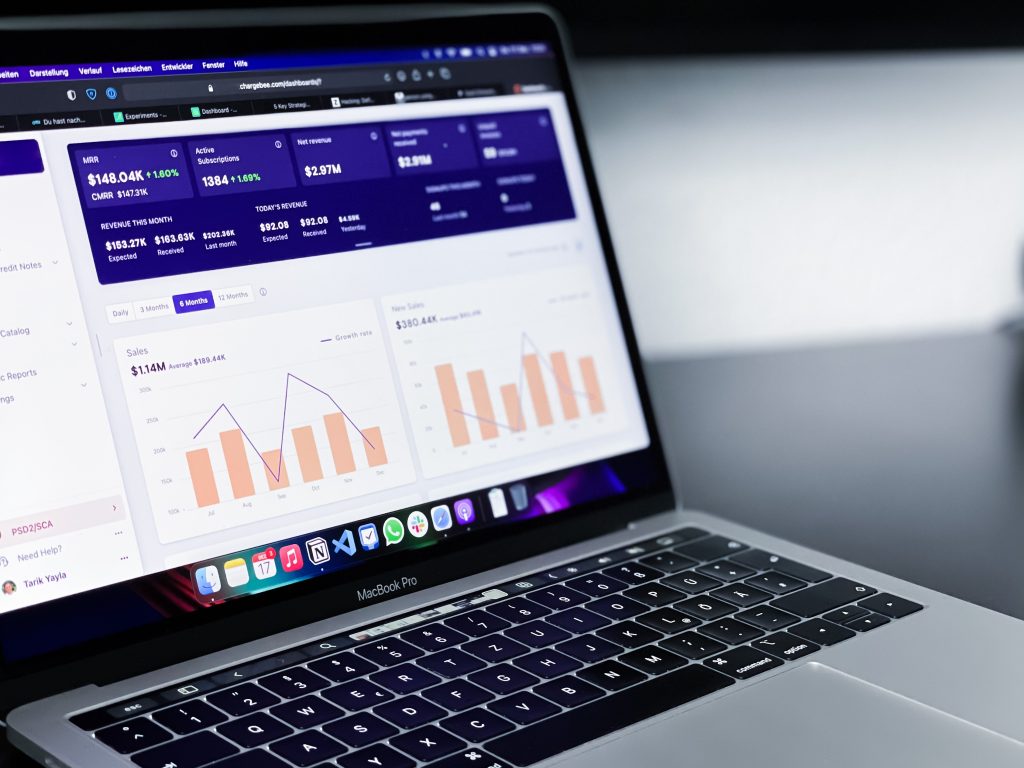
Photo by Hoi An and Da Nang Photographer on Unsplash
When a Leeds-based logistics company first ran our free digital marketing assessment in January 2025, their score came back at a disappointing 45%. Their managing director, Sarah, knew something was off, enquiries had dropped by 60% over the previous quarter, and they'd practically disappeared from Google search results.
Three months later, after implementing a focused digital marketing audit strategy, their score hit 92%. More importantly, their organic traffic recovered by 85%, and they'd reclaimed top 3 positions for 15 key industry terms.
Here's exactly how we did it.
The "Before" Picture: What a 45% Score Actually Meant
When Sarah contacted us, the problems were immediately obvious. Their Google Business Profile was claiming they were "temporarily closed" (they weren't). Their website took 8.3 seconds to load on mobile. And their content? Let's just say it hadn't been updated since 2022.

Photo by Christina @ wocintechchat.com on Unsplash
The assessment revealed critical gaps across all five pillars of their digital presence:
Google Search & SEO: No structured data, missing meta descriptions, and zero backlinks from reputable industry sources. They were making several common SEO mistakes that UK small businesses fall into.
Website Performance: Core Web Vitals scores averaging 65 out of 100. Mobile users were bouncing before the page even loaded.
Content Quality: Seven pages of generic "we offer logistics services" copy with no expertise, no case studies, and nothing that answered actual customer questions.
Social Media & Engagement: Last Facebook post? November 2024. Instagram? Never set up. LinkedIn company page had 23 followers.
Paid Advertising: Running Google Ads without conversion tracking. They were spending £2,400 monthly with no idea which keywords actually generated enquiries.
The result? They'd slipped from page one to page four for their main service terms. In the logistics game, that's commercial oblivion.
The Audit: Finding the Hidden Opportunities
A proper digital marketing audit isn't about telling businesses what they're doing wrong, it's about showing them where the quick wins are hiding. According to Google's own guidance on Business Profile optimisation, businesses with complete profiles receive 7x more clicks than those with incomplete information.

Photo by Stephen Dawson on Unsplash
We started with the low-hanging fruit. Sarah's Google Business Profile was a mess, but fixing it would take 30 minutes, not 30 days:
- Corrected the "temporarily closed" error
- Added high-quality photos of their warehouse and fleet
- Filled in every single field (opening hours, service areas, booking links)
- Set up posts announcing new routes and service updates
- Enabled messaging so customers could contact them directly
Next, we tackled the technical performance. Their website was hosted on a budget shared server that couldn't handle traffic spikes. We migrated to a managed WordPress host, implemented caching, compressed images, and cleaned up their bloated code. Core Web Vitals jumped from 65 to 92 within a week.
But the real transformation came from content.
The Content Overhaul: From Generic to Expert
Here's where most businesses get it wrong. They think "content" means churning out blog posts about "5 Tips for Better Logistics." Nobody needs that. What people actually search for are specific answers to real problems.

Photo by Luke Chesser on Unsplash
We developed 25 in-depth guides written by Sarah's actual logistics experts, the people who'd been solving complex freight challenges for 15 years. Topics like:
- "How to Ship Temperature-Sensitive Pharmaceuticals from Leeds to Scotland"
- "Understanding Customs Documentation for EU Logistics Post-Brexit"
- "Real-Time Tracking Systems: What Actually Works in 2025"
Each guide included:
- Real customer success stories with verifiable results
- Expert opinions from their logistics team
- Structured data markup so Google could understand the content
- Optimisation for voice search queries (because people ask Alexa logistics questions too)
We also created a comprehensive FAQ section addressing every question they'd received over email in the past year. This alone generated 40% of their new organic traffic within the first month.
As Search Engine Journal notes, Google's 2025 algorithm changes heavily reward content that demonstrates real expertise and first-hand experience. Generic, AI-generated fluff no longer cuts it.
The Results: 85% Traffic Recovery in 90 Days

By April 2025, the numbers told the story:
Traffic & Visibility
- 85% recovery in organic traffic
- 120% increase in voice search visibility
- Top 3 rankings for 15 key logistics terms
- 60% increase in mobile traffic
Business Impact
- 95% improvement in conversion rates
- Enquiry form submissions up 140%
- Phone call tracking showing 78% more inbound calls
- Average enquiry value increased by 32%
Digital Marketing Score
- Assessment score: 45% → 92%
- Google Business Profile impressions up 340%
- Average position in search results: 24.3 → 2.8
- Core Web Vitals: All pages in the "green" zone
But here's what Sarah told us mattered most: "We're not just getting more enquiries. We're getting better-quality enquiries from customers who've already read our guides and know we're experts. The sales conversation starts from a completely different place."
The Methodology: Why This Approach Works
This wasn't magic. It was systematic implementation of what The 2026 Digital Marketing Audit Checklist covers in detail:
1. Fix the Foundations First
Google Business Profile, technical performance, and mobile responsiveness before anything else. You can't build on a broken foundation.
2. Demonstrate Real Expertise
Content written by people who actually do the work beats generic agency copy every time. Google's algorithm can spot the difference.
3. Optimise for How People Actually Search
Voice search, mobile queries, and question-based searches dominate logistics searches. Your content needs to match search intent, not just keywords.
4. Build Authority Systematically
Quality backlinks from industry publications, customer testimonials with real results, and structured data that helps Google understand your expertise.
5. Measure What Matters
Clicks are vanity metrics. Track enquiries, conversion rates, and actual revenue impact.
What You Can Apply to Your Business
You don't need a 60% traffic drop to benefit from a proper digital marketing audit. Here's what to check this week:
Google Business Profile Audit (15 minutes)
- Is every field completed with accurate information?
- Have you added photos taken in the last 90 days?
- Are you posting weekly updates?
- Do you respond to every review within 24 hours?
Core Web Vitals Check (5 minutes)
Run your site through Google's PageSpeed Insights. If you're not in the green zone, your competitors are stealing your mobile traffic.
Content Expertise Assessment (30 minutes)
Read your service pages. Would a potential customer believe you're an expert? Could AI have written this copy? If yes, you've got work to do.
Conversion Tracking Verification (10 minutes)
Can you tell me exactly which marketing activities generated revenue last month? If not, you're flying blind.
The difference between a 45% and 92% digital marketing score isn't working harder: it's working on the right things in the right order.
Ready to Fix Your Google Presence?
Sarah's business went from invisible to industry-leading in 90 days because they addressed the fundamentals systematically. Your business can do the same.
Start with our free assessment to see where you actually stand. It takes 3 minutes and gives you a clear score across all five pillars of digital marketing. No fluff, no pressure: just honest feedback on where your gaps are.
Because the truth is, you can't fix what you can't measure. And every day you're scoring 45% instead of 92% is another day your competitors are stealing your customers.