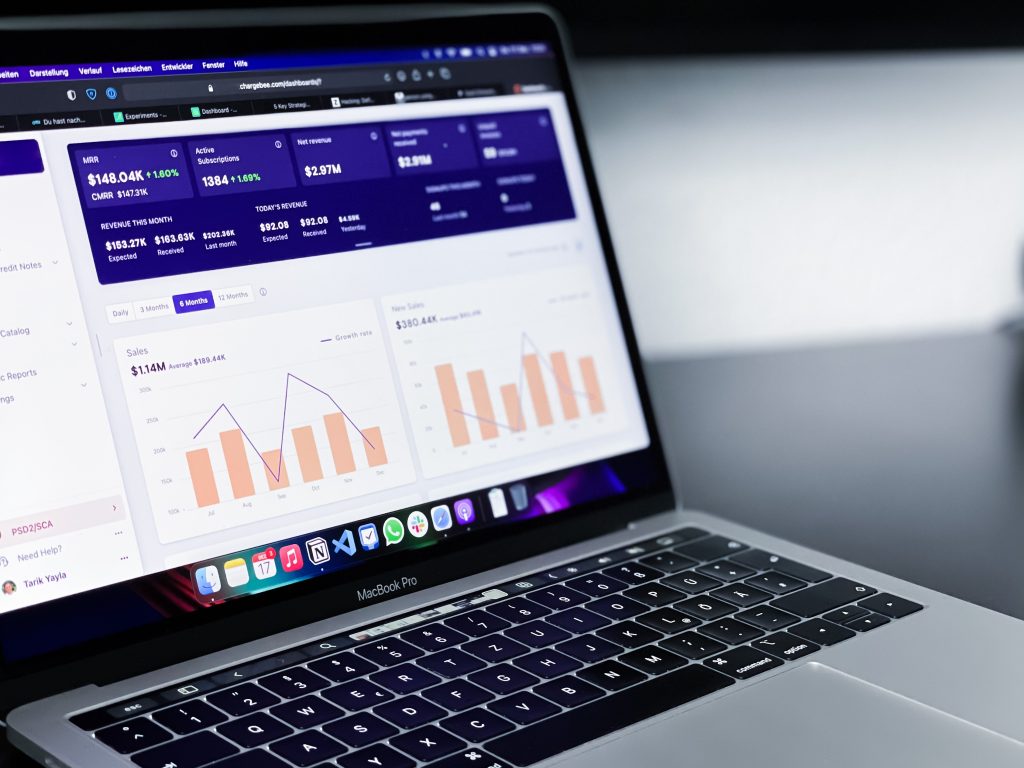
Photo by Sven Mieke on Unsplash
As we move through 2026, the digital marketing landscape has shifted beneath our feet. For years, Warwickshire business owners focused on one thing: "ranking on page one of Google." While traditional SEO remains vital, a new challenger has taken centre stage: Generative Engine Optimisation (GEO).
Today, your potential customers aren't just scrolling through blue links. They are asking ChatGPT for the "best organic deli in Leamington Spa," querying Gemini about "reliable loft conversion companies in Warwick," or using Perplexity to compare "yoga studios in Stratford-upon-Avon."
If your business isn't being cited by these AI models, you are effectively invisible to a massive segment of the market. Whether you're a seasoned expert or just beginning to contemplate your digital strategy, understanding how to influence AI search results is now essential.
What is GEO (Generative Engine Optimisation)?
Generative Engine Optimisation is the practice of structuring your online presence so that AI models can easily find, understand, and: most importantly: recommend your business. Unlike traditional SEO, which prioritises keywords and backlinks to drive clicks, GEO prioritises being the authoritative answer to a user’s prompt.
For a local business in Kenilworth or Rugby, this means shifting focus from "being a search result" to "being a citation." When an AI assistant answers a question, it synthesises information from multiple sources. You want to ensure your website is one of those primary sources.
1. Ensure Your Foundations are AI-Accessible
Before you can show up in an AI answer, the bots need to be able to see you. AI tools like ChatGPT and Gemini don't just "know" things; they crawl the web using existing search indices and specialized bots.
- Audit Your Robots.txt: Ensure you aren't accidentally blocking the very bots you need. You must allow
Googlebot(for Gemini),Bingbot(for ChatGPT), and the newerOAI-SearchBot(for ChatGPT’s real-time search). - Bing is Key for ChatGPT: Since ChatGPT relies heavily on Bing's index for real-time information, you must ensure your site is indexed in Bing Webmaster Tools. If you’ve ignored Bing in the past, 2026 is the year to fix that.
- Mobile Performance is Non-Negotiable: AI search engines still value fast, mobile-friendly sites. If your website takes five seconds to load on a smartphone in the middle of Warwick High Street, AI bots will likely bypass you for a faster alternative.
Photo by Nailah on Unsplash

2. Embrace the "Answer-First" Content Strategy
AI models love directness. They are designed to save users time, which means they prefer content that gets straight to the point. At The Digital Academy, we recommend the "BLUF" method: Bottom Line Up Front.
When writing about your services: whether it’s bespoke furniture making or legal consultancy: start each section with a clear, one-sentence answer to a potential customer's question. Follow this with structured details like:
- Numbered Lists: Ideal for describing your process (e.g., "Our 5-Step Consulting Process").
- Comparison Tables: AI tools love extracting data from tables. Create a "Us vs. Them" or "Service A vs. Service B" table to help AI models provide easy comparisons.
- Bullet Points for Benefits: Clearly list what makes your Warwickshire business unique.
By optimising your website content this way, you make it incredibly easy for an AI to "lift" your text and use it as part of a generated answer.
3. Leverage Local Trust and Warwickshire Citations
AI search engines are increasingly sophisticated at verifying local claims. They look for consistency across the web to determine if a business is "real" and "reputable."
- Hyper-Local Content: Don't just say you serve "the Midlands." Mention specific locations like the Royal Priors in Leamington, the Castle in Warwick, or the Friday market in Stratford-upon-Avon. This local context helps AI engines connect your business to specific geographic prompts.
- Structured Data (Schema Markup): This is the "hidden language" of the web. Using Schema.org markup (specifically
LocalBusinessandFAQPageschema) tells Gemini and ChatGPT exactly who you are, what you sell, and where you are located. It reduces the chance of the AI "hallucinating" or getting your details wrong. - The Power of Reviews: Positive reviews on Google Business Profile, Trustpilot, and industry-specific sites act as "social proof" for AI. When a user asks for the "best-rated accountant in Warwickshire," the AI parses these review platforms to find the answer.

4. Become an Authoritative Source for Perplexity
Perplexity AI is unique because it functions as a "citation engine." It provides footnotes for every claim it makes. To show up here, you need to invest in authoritative, well-sourced content.
Instead of writing generic 500-word blog posts, dedicate time to creating deep-dive resources. If you are a landscape gardener, don't just write "Tips for your garden." Write "The Definitive Guide to Soil Health in Warwickshire: Challenges and Solutions for Local Gardeners."
Include external links to authoritative bodies (like the RHS or local council environmental guidelines). This "outbound linking" signals to AI that your content is well-researched and trustworthy, making it more likely to be cited.
5. Google Gemini and the Power of the Business Profile
Gemini is Google’s powerhouse AI, and it is deeply integrated with Google Search and Maps. For a small business, your Google Business Profile (GBP) is now your most important AI asset.
Ensure your GBP is 100% complete. This includes:
- Accurate opening hours (including bank holidays).
- High-quality photos of your premises and team.
- A detailed description of your services.
- Regular "Updates" or posts.
Gemini uses the data from your GBP to answer "near me" queries. If your profile is neglected, Gemini will simply recommend the competitor down the road who keeps their profile updated.
How Ready is Your Business for the AI Revolution?
The transition from traditional search to AI-driven answers can feel overwhelming, but you don't have to navigate it alone. At The Digital Academy, we specialise in helping Warwickshire businesses bridge the gap between where they are and where they need to be.
We believe that marketing isn't about doing more; it's about doing what matters. That's why we offer a comprehensive digital marketing assessment that is completely free of charge.
Our assessment analyzes your business across six key areas, including your AI-readiness and Google Search optimization. We provide you with a real-time score: typically helping businesses move from a 45% score to over 90%: and a personalised action plan to fix the gaps.

Take the First Step Today
Whether you are a retail shop in Stratford or a tech startup in Leamington, the way people find you is changing. By focusing on GEO, structured data, and authoritative local content, you can ensure that when the residents of Warwickshire ask their AI assistants for help, your business is the one that gets the recommendation.
Ready to see where you stand? Take our free digital marketing assessment today and get your personalised roadmap for 2026. Harness the power of AI search and ensure your business remains ahead of the curve.