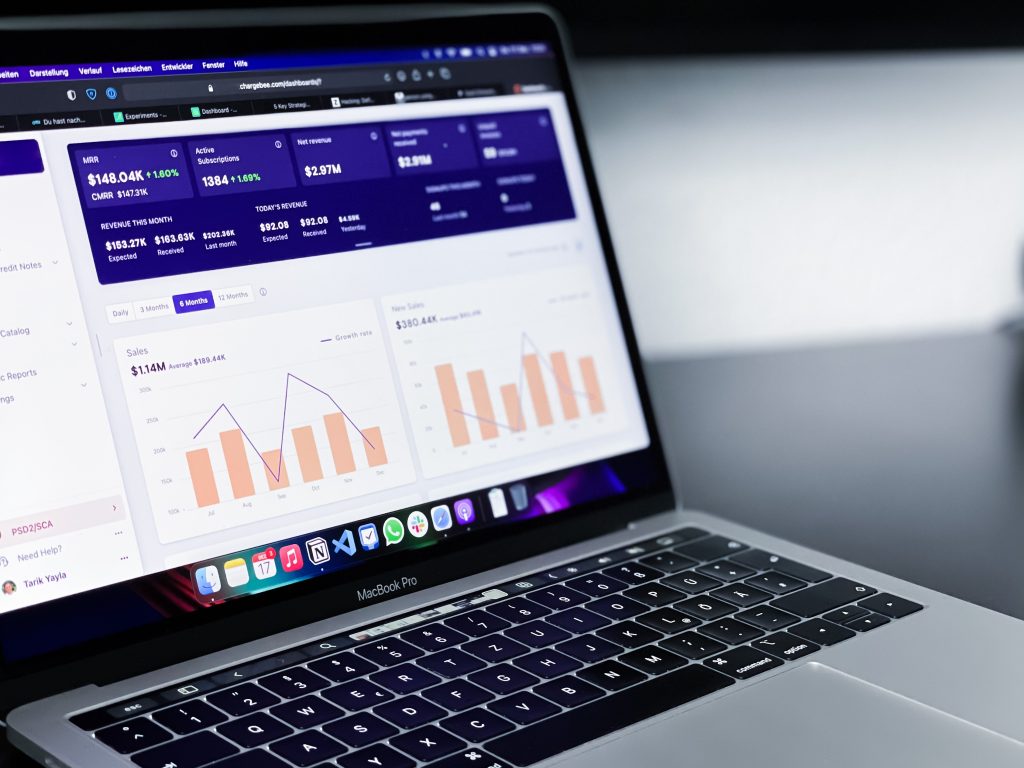
Photo by Luke Chesser on Unsplash
In the fast-paced world of digital marketing, a few seconds can be the difference between a new customer and a lost opportunity. As we move deeper into 2026, the performance of your website is no longer just a technical detail for developers to worry about; it is a fundamental cornerstone of your business’s online success. If your site is sluggish, unresponsive, or jumps around as it loads, you aren't just frustrating your visitors: you are actively pushing them into the arms of your competitors.
Google has long prioritised user experience, and their Core Web Vitals remain the definitive standard for measuring how "healthy" a website feels to a real human being. For UK small business owners, understanding these metrics is paramount to ensuring your digital marketing strategy actually delivers results.
Whether you're a seasoned entrepreneur or just beginning to optimise your online presence, this guide will break down the essentials of website performance and show you how to pass the ultimate speed test.
Understanding the Three Pillars of Core Web Vitals
Google uses three specific metrics to determine the quality of a user's experience on your page. While they sound technical, they actually reflect very simple human frustrations. Here is how to contemplate LCP, INP, and CLS in plain English:
1. LCP (Largest Contentful Paint) – The Loading Metric
LCP measures how long it takes for the largest piece of content on your screen: usually a hero image or a main heading: to become visible.
- The Goal: Under 2.5 seconds.
- The Reality: If your main banner takes 5 seconds to appear, your visitor has already decided your site is broken.
2. INP (Interaction to Next Paint) – The Responsiveness Metric
In 2024, Google replaced the old FID (First Input Delay) with INP. This measures how quickly your site reacts when someone clicks a button, taps a menu, or types in a form. It doesn't just measure the first interaction; it looks at the responsiveness throughout the whole visit.
- The Goal: Under 200 milliseconds.
- The Reality: If a customer clicks "Add to Basket" and nothing happens for half a second, they’ll click it again, get frustrated, and leave.
3. CLS (Cumulative Layout Shift) – The Visual Stability Metric
Have you ever tried to click a link, only for the page to jump at the last second, causing you to click an advert instead? That is CLS. It measures how much the elements on your page move around while loading.
- The Goal: A score below 0.1.
- The Reality: A "jumpy" website feels amateur and untrustworthy.
| Metric | Measurement | "Good" Threshold |
|---|---|---|
| LCP | Loading Speed | < 2.5 Seconds |
| INP | Interactivity | < 200 Milliseconds |
| CLS | Visual Stability | < 0.1 Score |
Why Performance is Crucial for UK Businesses
You might wonder if these technical scores really affect your bottom line. The answer is a resounding yes. In the UK market, where mobile usage is at an all-time high, your website performance directly impacts three key areas:
- Search Engine Visibility: Google uses Core Web Vitals as a ranking signal. If two businesses offer the same service, Google will almost always prioritise the one that provides a faster, smoother experience. Improving these scores is a critical part of essential SEO for UK businesses.
- Conversion Rates: A one-second delay in mobile load times can impact conversion rates by up to 20%. For an e-commerce store or a local service provider, that is a massive amount of "lost" revenue.
- Brand Trust: Your website is your digital shopfront. A slow, clunky site suggests a slow, clunky business. A fast, sleek experience builds immediate authority.
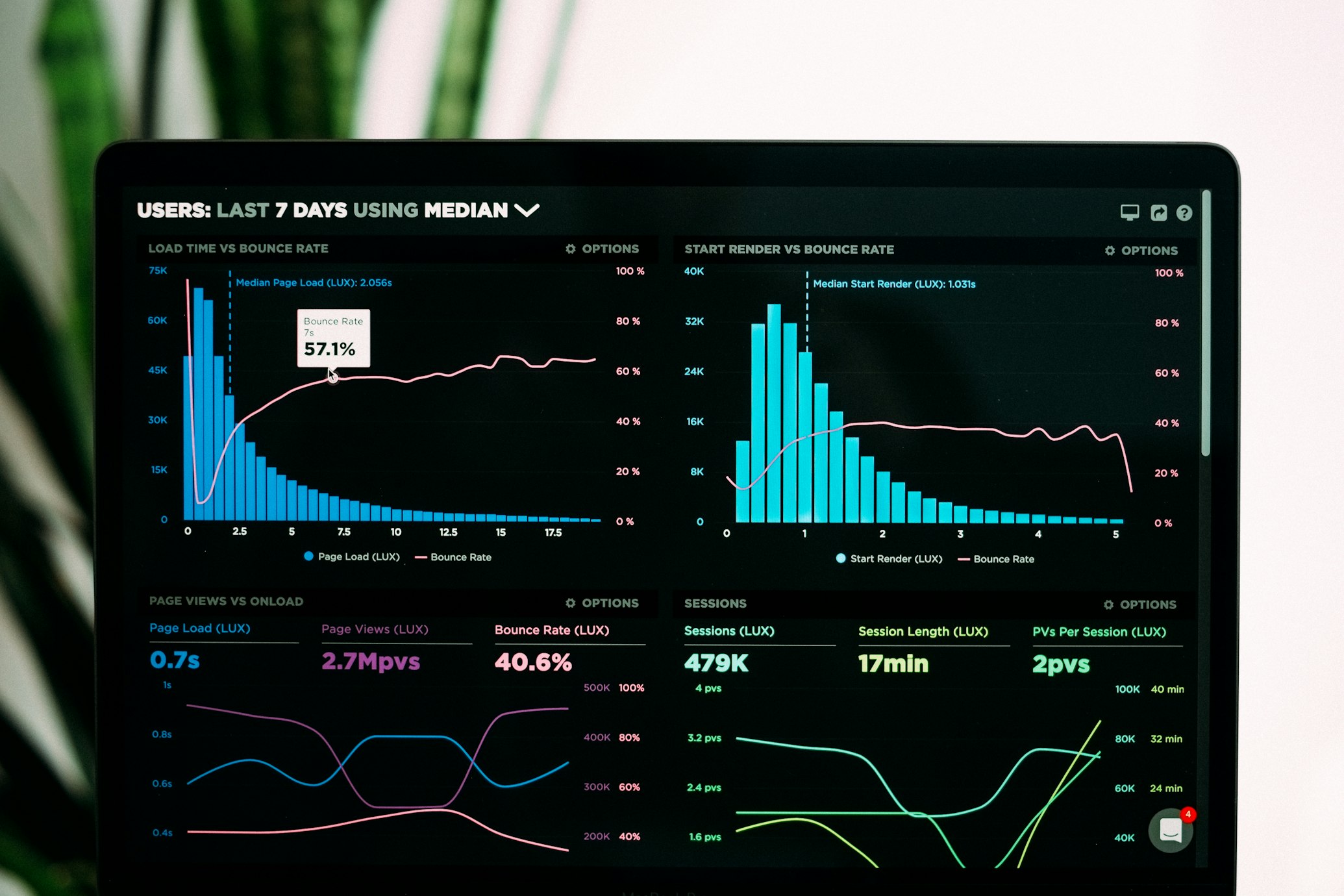
Photo by Luke Chesser on Unsplash
Practical Speed Fixes You Can Implement Today
You don't need to be a coding genius to improve your website performance. Many of the biggest "wins" come from simple housekeeping and better choices in your website design.
1. Tackle Image Bloat
Huge, uncompressed images are the #1 killer of LCP scores. If you are uploading photos straight from your smartphone or a professional camera, they are likely 10 times larger than they need to be.
- The Fix: Use tools like TinyPNG or Squoosh to compress your images before uploading. Aim for modern formats like WebP, which offer high quality at a fraction of the file size.
2. Audit Your Plugins
If you use WordPress, it is tempting to install a plugin for every little feature. However, every plugin adds extra code that the browser has to process.
- The Fix: Go through your list and delete anything you haven't used in the last three months. Choose "lightweight" themes and plugins that prioritises speed over flashy animations.
3. Leverage Caching and CDNs
Caching allows your website to "remember" certain parts of the page so it doesn't have to rebuild them from scratch for every new visitor. A Content Delivery Network (CDN) stores your site on servers across the UK (and the world), ensuring the data doesn't have to travel far to reach your customer.
- The Fix: Install a reputable caching plugin (like WP Rocket or W3 Total Cache) and ensure your hosting provider includes a CDN.
4. Upgrade Your Hosting
If you are paying £3 a month for "budget" shared hosting, your website is sharing resources with thousands of other sites. This will inevitably lead to slow server response times, ruining your LCP and INP scores.
- The Fix: Invest in managed WordPress hosting or a VPS (Virtual Private Server). For a UK business, ensure your server is physically located in the UK or Western Europe to minimise latency.

How to Check Your Current Scores
Before you start making changes, you need to know your starting point. Fortunately, Google provides free, authoritative tools to help you identify exactly what is holding you back:
- PageSpeed Insights: Simply enter your URL, and Google will give you a detailed report on your Core Web Vitals for both mobile and desktop. It even provides a "to-do list" of technical fixes.
- Google Search Console: If you have this set up, check the "Core Web Vitals" report under the "Experience" tab. It shows you how real-world users are experiencing your site over time.
Stop Guessing, Start Optimising
Improving your website performance isn't just about chasing a "green score" in a tool; it’s about respecting your customers' time and making it as easy as possible for them to do business with you. In a digital landscape where friction equals failure, a fast website is your most powerful sales tool.
At The Digital Academy, we specialise in stripping away the complexity of digital marketing. We know that as a business owner, you have a million things to do: fixing "Cumulative Layout Shift" shouldn't be your weekend project.
Are you ready to see how your website actually performs?
We offer a comprehensive Digital Marketing Assessment that is completely free of charge. We will analyse your website performance, SEO, social media, and more, providing you with a personalised, actionable plan to boost your scores from "Needs Improvement" to "Excellent." There’s no obligation and no technical jargon: just clear metrics and real growth.
Get Your Free Digital Marketing Assessment Today