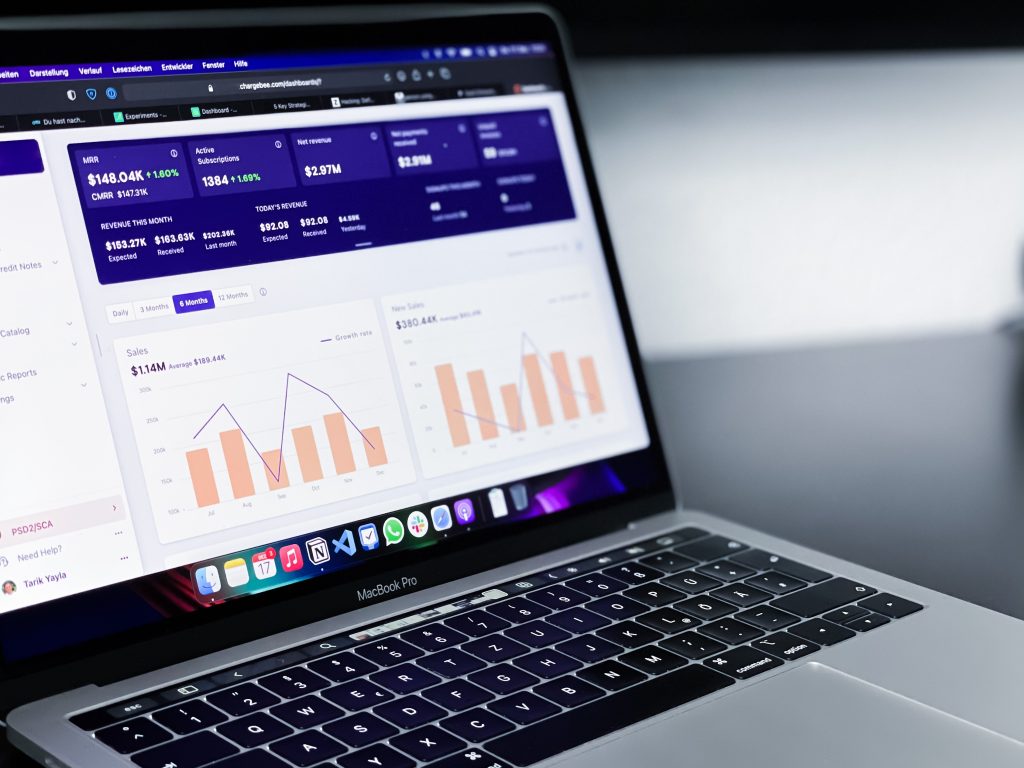
Photo by Luke Peters on Unsplash
As we move through the heat of July 2026, the digital marketing landscape is braceing itself for what is traditionally the most volatile window of the search calendar. Historical data and recent industry leaks suggest that Google is preparing for a significant dual-threat update this September: a Broad Core Update coupled with a major enhancement to Passage Ranking.
For UK business owners and marketing managers, this isn't just another routine refresh. The 2026 search ecosystem has evolved rapidly, with "AI Mode" citations and the "SEO + GEO" framework now dictating who wins the local pack and who fades into obscurity. If your rankings have felt stable throughout the spring, now is the time to audit your presence before the autumn shifts begin.
In this guide, we will break down exactly what we are expecting from the September 2026 update and the proactive steps you should take to ensure your local SEO and Google Business Profile optimisation are resilient enough to weather the storm.
The September 2026 Landscape: What’s Changing?
By mid-2026, Google’s update cadence has shifted from twice-yearly events to more frequent, nuanced re-evaluations. We have already seen core updates in March and May of this year, but industry analysts are pointing toward September as the "Big One" for the second half of 2026.
1. Broad Core Update Volatility
Unlike targeted penalties, a Broad Core Update is a global re-assessment of content quality across the entire index. Google is essentially recalibrating its understanding of what "helpful" looks like. In 2026, this means a heavier focus on Experience, Expertise, Authoritativeness, and Trustworthiness (E-E-A-T). If your site has remained stagnant since 2025, you are likely to see a shift as newer, more relevant content is elevated above yours.
2. The Passage Ranking Enhancement
The most specific news for September is the confirmed enhancement of "Passage Ranking." This system allows Google to identify and rank specific sections (or passages) of a page independently of the overall page topic.
What does this mean for you? It means that a long-form, comprehensive guide: like our Definitive Guide to Productive Workflows: can rank for dozens of niche queries simultaneously, provided the content is structured correctly.

Photo by Myriam Jessier on Unsplash
SEO + GEO: The 2026 Local Strategy
If you are a UK business serving a specific region, the September update will likely place a premium on what experts are calling "SEO + GEO." This is the convergence of traditional local SEO with deep geographic relevance.
Google's 2026 systems are increasingly prioritising "entity signals." They want to know not just what you do, but where you are physically rooted and how you interact with your local community. A business that simply lists a London address but lacks local citations, community involvement, or location-specific content will struggle against a competitor that embraces a "GEO-first" approach.
To prepare for this, ensure your Google Marketing strategy isn't just focused on keywords, but on geographic authority. This includes mentions of local landmarks, participation in local events, and location-specific landing pages that offer genuine value rather than boilerplate text.
Google Business Profile Optimisation: Your Primary Lever
Your Google Business Profile (GBP) is no longer just a digital business card; it is the cornerstone of your local visibility. In the upcoming September update, active and optimised profiles are expected to see a significant boost in the local pack.
Here is how you should prioritise your GBP activity over the next six weeks:
- Maintain NAP Consistency: Ensure your Name, Address, and Phone number are identical across your website, your GBP, and every local directory.
- Increase Post Frequency: Google’s 2026 algorithm rewards "freshness." Aim for at least two updates per week on your GBP. Share behind-the-scenes content, special offers, or highlights from your recent Social Media Marketing campaigns.
- Review Management is Essential: Don't just collect reviews; engage with them. Google’s sentiment analysis has become incredibly sophisticated. Prompt, helpful, and keyword-rich responses to both positive and negative reviews signal that your business is active and trustworthy.
- Populate the Q&A Section: Use the Q&A feature to address the most common questions your customers ask. Since Passage Ranking is being enhanced, these short, helpful answers are more likely to appear directly in the search results.

Photo by Tom Barrett on Unsplash
Content Depth and the "AI Mode" Threshold
One of the biggest shifts in 2026 is how Google selects content for its "AI Mode" (the conversational search experience). Data suggests that articles over 2,500 words are receiving nearly double the citations compared to shorter pieces.
To prepare for the September update, you must move away from "thin" content. Google is looking for:
- Unique Data: Original insights, surveys, or case studies.
- Structured Formatting: Use H2 and H3 headings to break down complex topics. This directly helps with the Passage Ranking enhancement.
- Quotability: Can a search engine's AI quote a specific sentence from your article to answer a user's question? If your writing is too vague or metaphorical, you may miss out on these valuable citations.
Invest time in your Website Content and SEO. If you haven't updated your key service pages in the last three months, they are already considered "stale" by 2026 standards.
Prioritise Mobile UX and Technical Health
Local search is, by definition, mobile search. As we head into the autumn, the technical health of your mobile site remains paramount. Google’s 2026 Core Web Vitals have introduced even stricter metrics for "Interaction to Next Paint" (INP), focusing on how quickly your site responds to user inputs.
If your site feels sluggish on a smartphone, or if your "Call" and "Directions" buttons are difficult to tap, you will likely see a decline in rankings during the September rollout. A seamless Website Design isn't just about aesthetics; it's a critical ranking factor that ensures users can convert the moment they find you.

Photo by Magnet.me on Unsplash
How to Prepare: Your Pre-September Checklist
To ensure your business stays ahead of the curve, we recommend completing this checklist before the end of August:
- Conduct a Content Audit: Identify pages that haven't been updated in 90 days. Refresh them with new statistics, local references, and structured FAQ sections.
- Audit Your GBP: Check for category accuracy, update your business hours, and upload at least five new high-quality photos of your premises or team.
- Analyse Your Backlink Profile: Ensure you are gaining links from local UK sources (chamber of commerce, local news, regional blogs) to bolster your GEO signals.
- Test Your Mobile Speed: Use tools like PageSpeed Insights to ensure your INP scores are in the "Green" zone.
Are You Update-Ready?
Algorithm updates can be stressful, but they also represent a massive opportunity. While your competitors are panicking about lost traffic, you can use this time to solidify your position as the local authority in your industry.
At The Digital Academy, we specialise in helping UK businesses navigate these complex shifts without the jargon. Whether you have an in-house team or you're managing things yourself, a fresh perspective is often the difference between a ranking drop and a ranking surge.

Ready to see how your site stacks up before the September update?
Take our Free Digital Marketing Assessment today. We’ll analyse your performance across Google Search, Social Media, and Website Design, providing you with a personalised action plan and a real-time score. No obligations, just actionable insights to help you boost your score from 45% to over 90%.